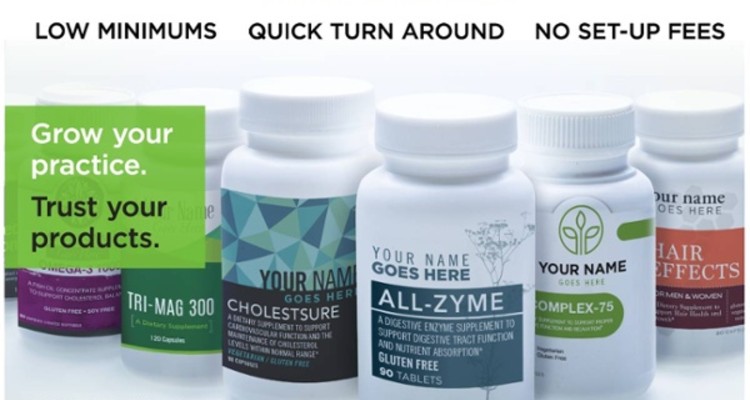
Whether you’re a medical doctor, naturopath, chiropractor, registered dietician, or another licensed practitioner, high-quality private label supplements can take your practice to the next level—not just financially, but also build your brand and increase patient trust and loyalty.
Many practitioners are under the false impression that creating their own brand of superior quality supplements is a complicated process, and they end up losing out on a great opportunity to grow their practice and create a better patient experience because of perceived barriers.
The truth is that private label supplements are not only easy and affordable to make, but they ensure that your patients receive trusted, professional-grade supplements that provide the results they want. Private label supplements are a win-win for both practitioners and patients.
To clear up any confusion about selling your own supplement brand, this article acts as a simple three-step guide on how to get started.
Why You Should Consider Private Label Supplements
From a business standpoint, private label supplements are an excellent way to build your brand image and marketing identity. They can increase your revenue and ensure that your patients are getting results.
Quality and trust are two factors to consider with private label supplements. Your patients already know you are a trusted and knowledgeable healthcare provider. Giving them the opportunity to purchase superior supplements that produce their desired health outcomes will significantly boost their trust in you.
Working with an established vitamin supplement manufacturer is the most reliable way to get that quality without inflating your costs.
But not all supplements are created equal, and when patients seek out lower-quality products online or at their neighborhood drug store, nobody wins. Private label supplements allow you to hone in on the specific needs and demands of your clientele and offer a selection of formulas you know and trust. Plus, they won't be able to search for a cheaper price on the brand you are selling online, to under-cut your profit margin because you are selling your brand.

Private Label vs. Custom Formulation
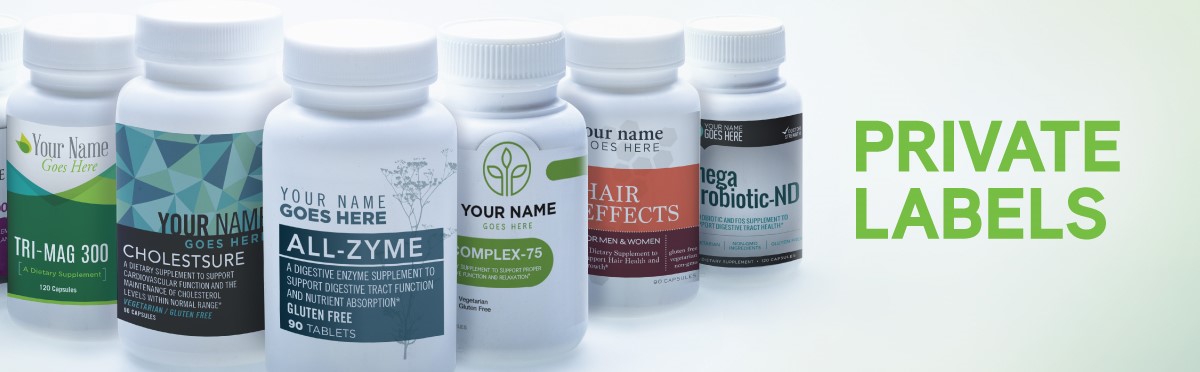
It’s important to differentiate between private label supplements and custom formulations. Some practitioners—most often those who specialize in a specific condition or area of health—want to put together their own unique formulas and ingredient lists. This can be a wonderful service to offer, but it is referred to as a custom formulation rather than private labeling.
This process typically has higher minimums for getting started. So you should have the patient volume to go this route.However, if you have a condition-specific niche, branding your own specific formulas may be worthwhile. If creating your unique proprietary formulas is something you’re interested in, check out our page on Custom Formulation for more detailed information.
How to Get Started with Private Label Supplements
We want to take the guesswork out of private label supplements, so here are three simple steps you can take to get started:
- First, browse the catalog to see which products and formulas best fit the needs of your practice patients. Some brands offer hundreds and hundreds of formulas, and this can feel a little overwhelming. Our catalog has around 250 products, which includes top-tier supplements, vitamins and condition-specific formulas for everything ranging from digestive health to cardiometabolic support to weight loss and more.
- Next, you’ll get a call from a knowledgeable representative to learn more about your practice and goals. The main objective of this conversation will be to discuss which products and formulas will meet the needs of your practice’s clientele. This representative will help you get a better idea of ordering minimums and will discuss labeling and pricing. You might expect to pay anywhere from $100-$500 per product to get started with an initial supply.
- Now, create your label. This step is important not only because it reflects your brand and markets your practice, but it also helps your supplements meet compliance from a regulatory standpoint. Many practitioners already have their own logo and label design, but we have a wide selection of pre-designed templates for those who don’t. One benefit of these pre-designed labels is that they come with structure-function claims and supplement facts that are already compliant with regulations. For those who wish to add their own language, claims, or supplement facts, you will ultimately be responsible for meeting regulatory guidelines, but we can offer guidance throughout the process.
Once you’ve placed your first order, the process takes between 10-12 days for labels to be printed and products to be delivered. Subsequent orders typically go out within 3-5 days.
As you can see, the process of getting started with private label supplements is relatively simple and affordable. If you’re new to supplement sales or not sure whether investing in private label supplements is worth it, consider first offering outside brands and tracking sales. Once you understand the demand, you might begin with just 2-3 private label supplements and slowly grow from there. Private label supplements allow you to offer superior-quality supplements, build trust and loyalty with your patients, increase revenue, and feel confident that you are providing products that genuinely get results.
Frequently Asked Questions About Private Label Supplements
What are private label supplements and who can benefit from them?
Private label supplements are branded nutritional products that practitioners like medical doctors, naturopaths, chiropractors, and dieticians can offer to their patients. They help build brand trust, increase patient loyalty, and can boost practice revenue by providing professional-grade supplements tailored to patient needs.
How do private label supplements differ from custom formulations?
Private label supplements use existing formulas that practitioners brand as their own, while custom formulations involve creating unique ingredient lists specific to a condition or niche. Custom formulations usually require higher minimum orders and are suited for practitioners with sufficient patient volume and specialized needs.
What are the main benefits of offering private label supplements in a practice?
They enhance brand image, increase revenue, and build patient trust by providing high-quality supplements that deliver desired health outcomes. Private label supplements also prevent patients from seeking cheaper alternatives online, protecting the practitioner’s profit margin.
What are the basic steps to get started with private label supplements?
First, browse a catalog to select suitable products. Next, discuss your practice’s needs with a representative who will guide you on product selection, ordering minimums, labeling, and pricing. Finally, create your label, either using pre-designed templates or custom designs, ensuring compliance with regulatory standards.
How long does it take to receive private label supplements after placing an order?
After the first order, it typically takes 10-12 days for labels to be printed and products delivered. Subsequent orders usually ship within 3-5 days, making the process relatively quick and efficient.
Are private label supplements expensive to start with?
Initial costs can range from $100 to $500 per product, depending on the order size and product type. This makes private label supplements an affordable option for practitioners looking to grow their practice gradually.
What should a practitioner do if they are unsure about investing in private label supplements?
Practitioners new to supplement sales can start by offering outside brands and tracking sales to gauge demand. Once confident, they can begin with a small selection of 2-3 private label supplements and expand as their practice grows.